Surgery when needed
Surgery may be recommended to stabilize the spine and reduce the risk of further injury.

Respectful, honest information for people living with spinal cord injury.
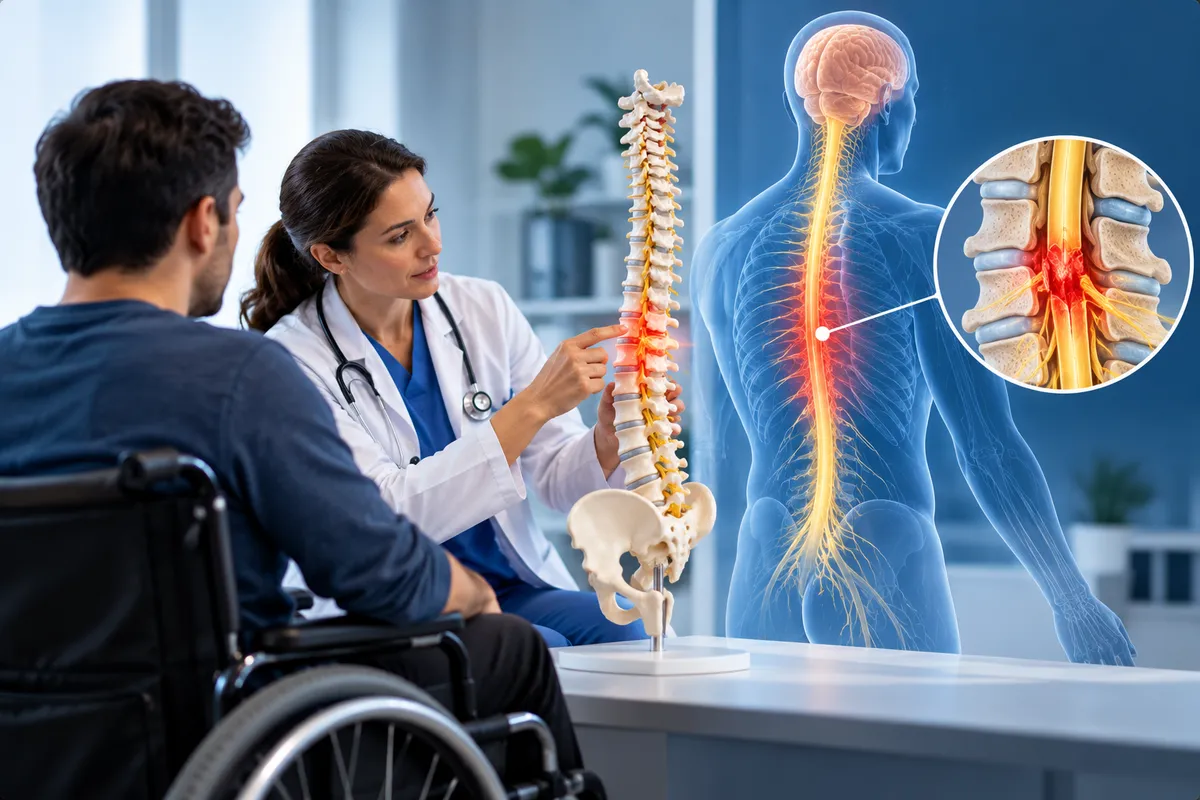
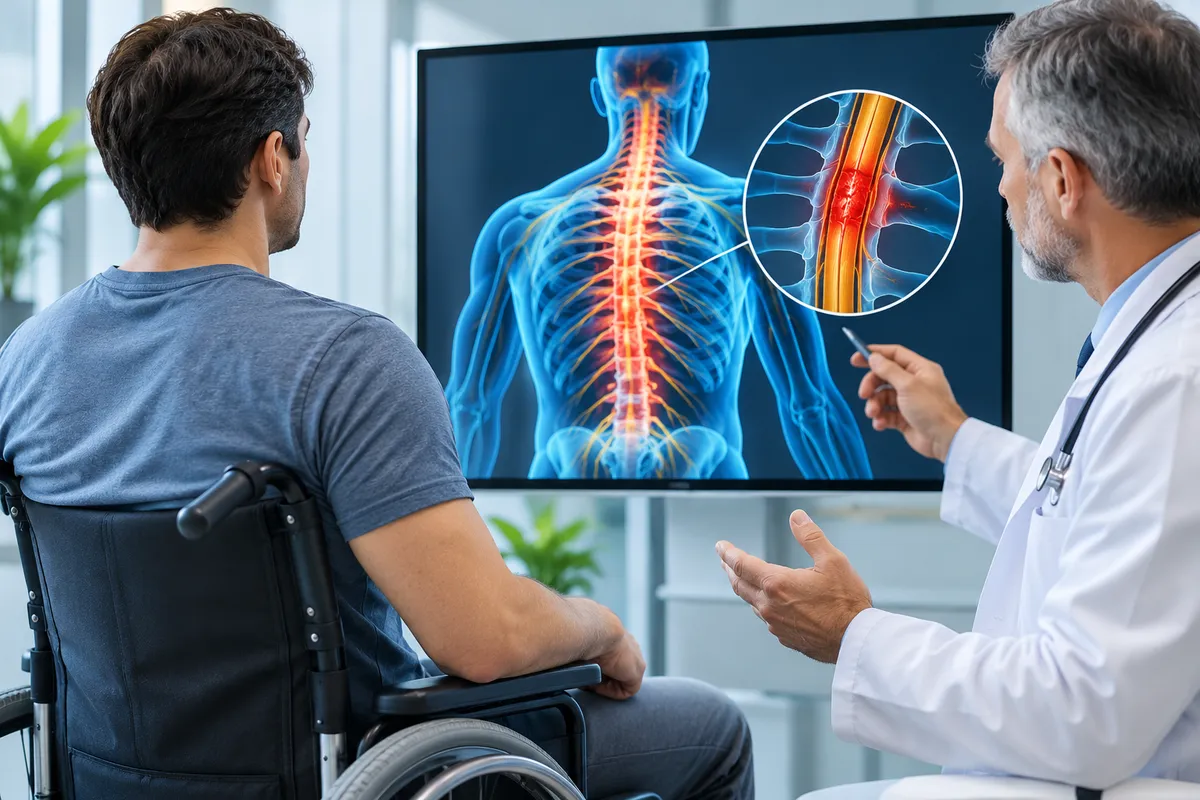
A spinal cord injury is damage to the spinal cord, often from an accident, a fall or a medical event. It can affect movement, sensation and other body functions below the level of the injury. The effects depend on where the injury is and how severe it is, and they differ widely between people.
Living with a spinal cord injury affects the whole family, and each person's goals are their own.
Spinal Cord Injury
Care involves specialist medical teams and rehabilitation. This usually includes surgery to stabilize the spine when needed, physical and occupational therapy, assistive technology, and ongoing management of related health needs such as pain, bladder and bowel care, and skin protection. Rehabilitation continues over the long term.
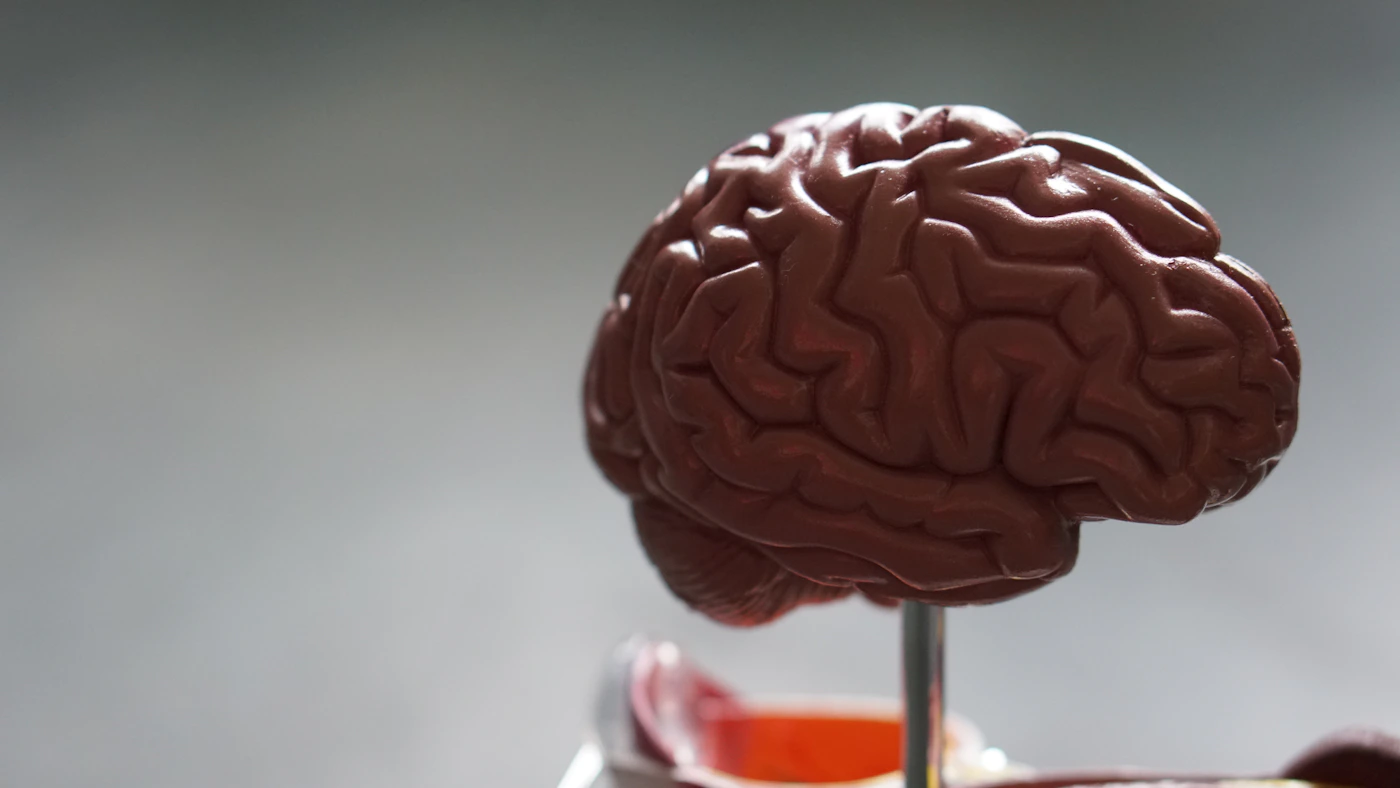
Surgery may be recommended to stabilize the spine and reduce the risk of further injury.
Physical and occupational therapy help with mobility, strength, daily activities and independence.
Devices and equipment can support mobility, communication and everyday living.
Care includes pain management, bladder and bowel care, skin protection and other related health needs.
Science & Research
Researchers around the world are studying cell-based and other regenerative approaches for spinal cord injury. Most of this work is in early-stage trials, and results so far are limited. No regenerative therapy is approved by the FDA for spinal cord injury.
Because the field is moving, we will tell you plainly what is known and what is not, and we will not offer false hope.
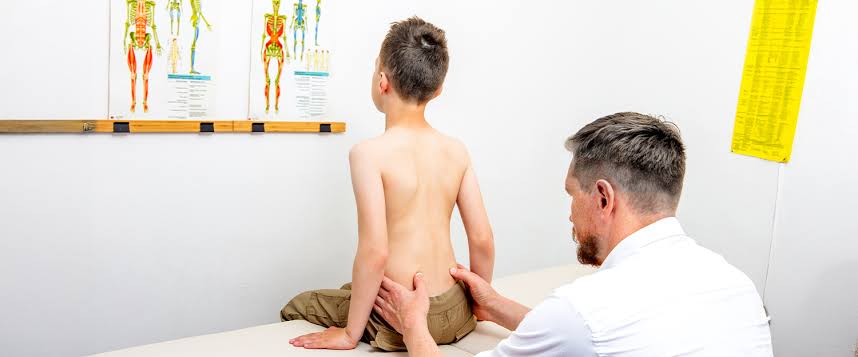
Your Consultation
Dr. Haile will:
Listen to your story and your goals.
Review your records and the advice from your rehabilitation team.
Explain what is known, the risks and the limits of the evidence.
Suggest anything further only if it is appropriate, with no pressure.
We coordinate with your doctors and therapists and never replace them. Please continue your rehabilitation program and speak with your team before making changes.
There is currently no cure, and we do not claim that any therapy we offer is one.
Yes. Rehabilitation remains the foundation of care.
Registered clinical trials are one way to explore research. You can search for them at clinicaltrials.gov, and we are happy to help you think through the questions to ask.
Schedule a consultation with Dr. Haile, or request more information first. There is no obligation,
and a conversation always comes before any plan.
Medical disclaimer. This page is for general informational purposes only and is not medical advice. Regenerative and cell-based therapies are not FDA-approved for Spinal Cord Injury and are considered experimental. Individual results cannot be guaranteed. Always consult a qualified healthcare provider about your child's care. [Final wording to be confirmed by legal counsel.]
(818) 419-0271
6151 Radford Ave, ste 160, North Hollywood California 91606