Neurologist and team
Care usually involves a neurologist and a multidisciplinary rehabilitation team supporting recovery.
Honest information for people recovering from injury to the brain or nervous system.
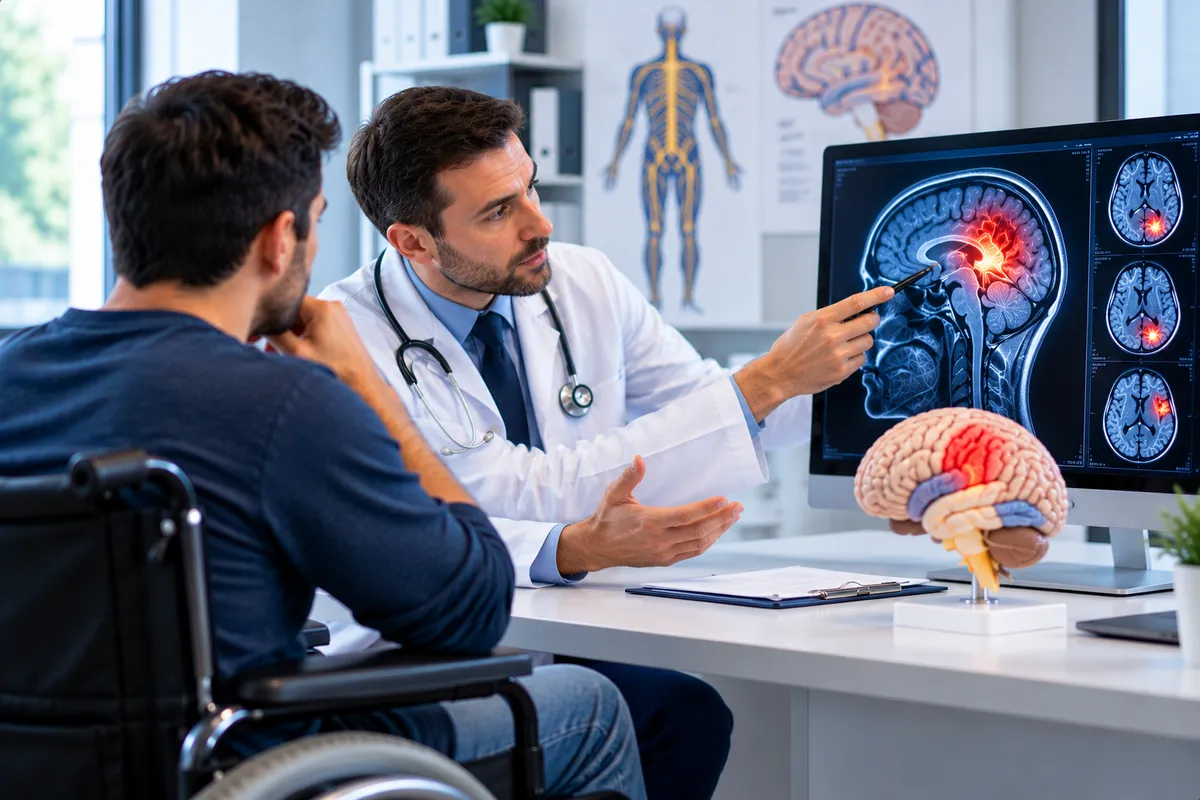
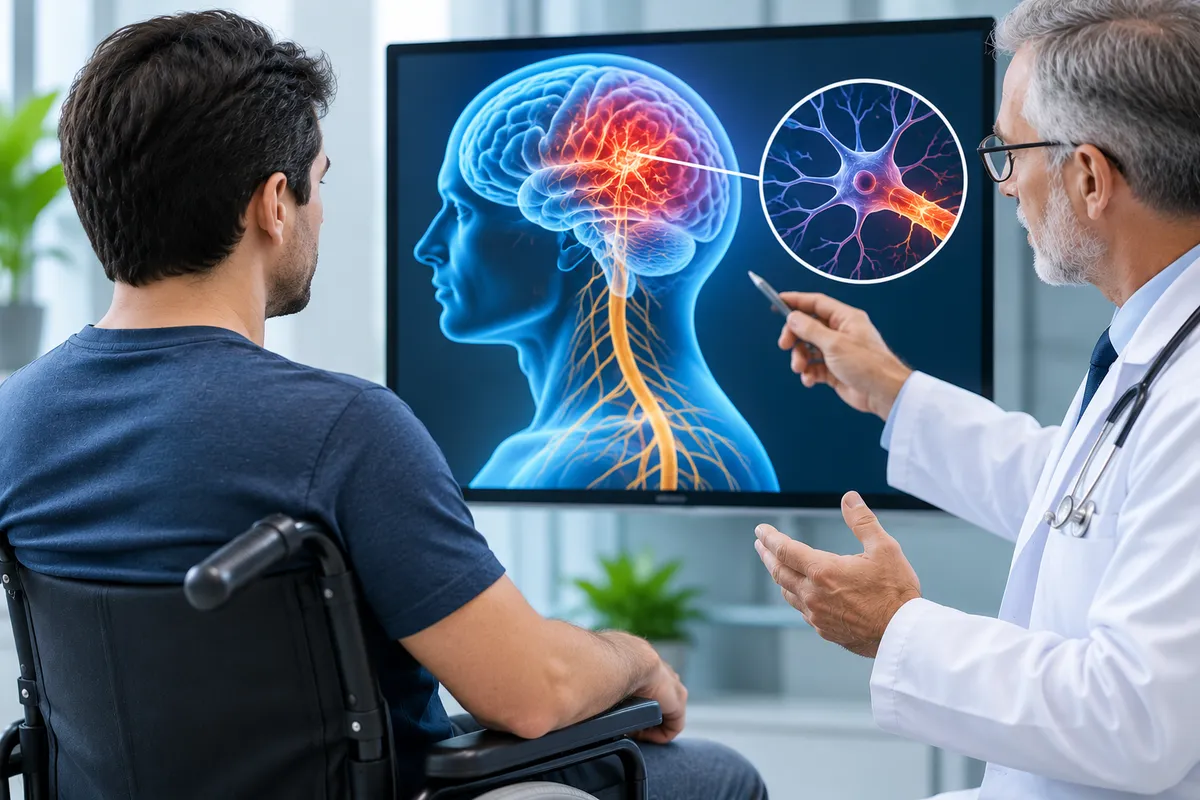
Neurological damage means injury to the brain or nervous system. It can follow a traumatic brain injury, a stroke or other causes. The effects, which may include changes in movement, thinking, memory, mood or sensation, vary widely, and so does recovery.
If you or someone you love is recovering from an injury like this, you are likely living with uncertainty. We want to help you make sense of the options.
Neurological Damage
Care usually involves a neurologist and a rehabilitation team. This often includes physical, occupational and speech therapy, cognitive rehabilitation, support for mood and sleep, and medicines to manage symptoms. Recovery commonly continues for months or years, and steady rehabilitation matters.
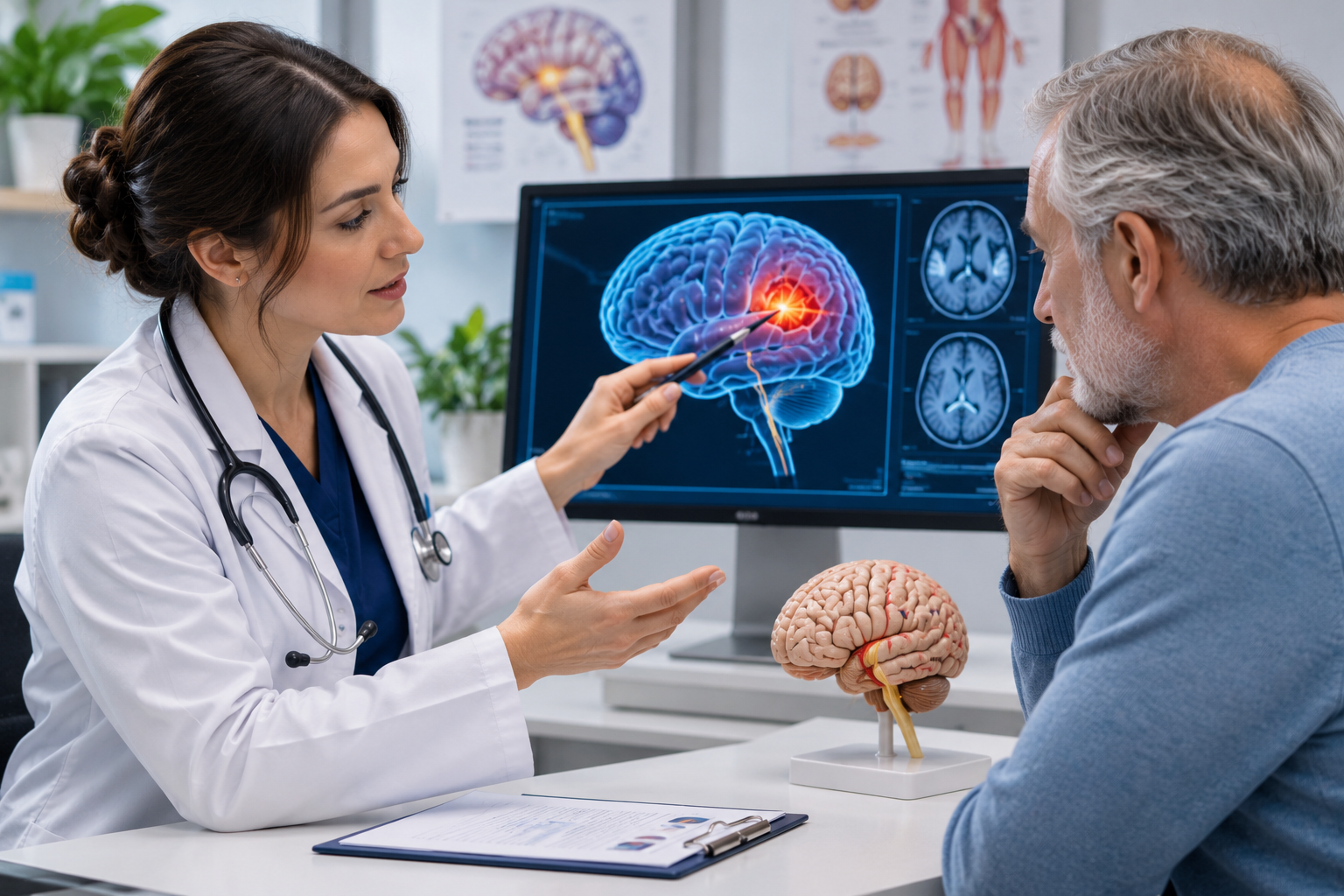
Care usually involves a neurologist and a multidisciplinary rehabilitation team supporting recovery.
Physical, occupational and speech therapy can help with mobility, daily activities, communication and independence.
Cognitive rehabilitation can support thinking, memory, attention and problem-solving skills.
Care may include medicines to manage symptoms and support for mood and sleep during recovery.
Science & Research
Researchers are studying whether cell-based approaches could support recovery after injury to the brain and nervous system. The work is at an early stage, and results so far are limited. No regenerative therapy is approved by the FDA for traumatic brain injury or stroke recovery.
We will explain clearly what is known and what is still being tested.
Your Consultation
Dr. Haile will:
Listen to your story and review your scans, records and current treatment.
Coordinate with your neurologist and rehabilitation team, with your permission.
Explain the options, the risks and the limits of the evidence.
Recommend a next step only if it is appropriate, and with your agreement.
Please bring your imaging reports, a list of medicines, and any notes from your care team. If you can, bring a family member or caregiver for support.
No. No regenerative therapy is approved by the FDA for traumatic brain injury or stroke recovery.
Yes. Therapy and rehabilitation remain central to recovery.
Registered clinical trials are one way to explore research. You can search for them at clinicaltrials.gov, and we can help you prepare questions to ask.
Schedule a consultation with Dr. Haile, or request more information first. There is no obligation,
and a conversation always comes before any plan.
Medical disclaimer. This page is for general informational purposes only and is not medical advice. Regenerative and cell-based therapies are not FDA-approved for Neurological Damage and are considered experimental. Individual results cannot be guaranteed. Always consult a qualified healthcare provider about your child's care. [Final wording to be confirmed by legal counsel.]
(818) 419-0271
6151 Radford Ave, ste 160, North Hollywood California 91606